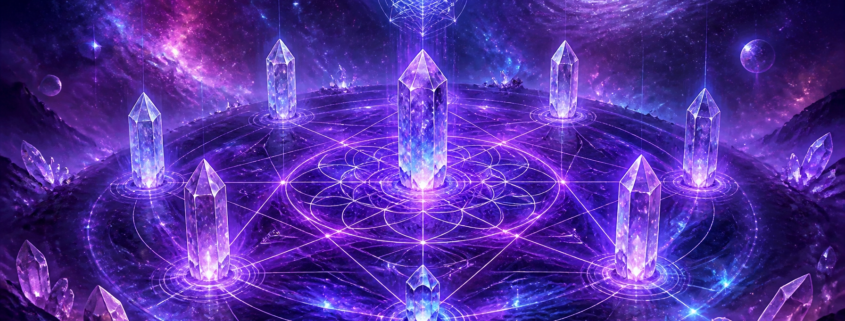
The Proven 3-Crystal Framework: How to Layer Manifestation Crystals for Career, Love, and Abundance in 2026

Introduction: The Epistemology of Lithotherapy and Intentional Mechanics

What is the nature of intention when mediated through crystalline structures? Throughout human history, mineral aggregates have served not merely as aesthetic ornaments, but as ontological anchors for human consciousness. The etymological lineage of the word crystal: derived from the ancient Greek krustallos, denoting both ice and rock quartz: suggests a foundational belief in frozen clarity, permanence, and structural perfection. In contemporary esoteric praxis, the paradigm has shifted from passive accumulation to systematic application. Modern practitioners of mindful intentionality no longer rely on disparate, uncoordinated stones; rather, they employ rigorous, empirical methodologies to direct subtle energetic currents.

As the metaphysical landscape matures in 2026, the demand for structured, reliable protocols has superseded superficial ornamentation. Navigating this evolving domain requires moving beyond random aggregation into a disciplined architecture. For those seeking authentic instruments, sourcing high-grade specimens from a dedicated spiritual shop ensures that the foundational integrity of each mineral remains uncompromised. This treatise examines the proven multi-layered framework for orchestrating manifestation crystals to achieve specific ontological outcomes in career, love, and abundance.

The Philosophical Foundation of Crystal Layering

Why do solitary stones frequently fail to yield transformative psychological and energetic results? In traditional metaphysics, individual minerals vibrate at distinct frequencies, yet isolated deployment often leads to diffused or unchanneled output. To transcend this limitation, practitioners utilize the concept of the layered energetic matrix: a paradigm that synthesizes sacred geometry, intentional programming, and structural hierarchy.

+-------------------------------------------------------------+
|               Layer 5: Amplifier & Boundary Field           |
|  +-------------------------------------------------------+  |
|  |           Layer 4: Desire / Outcome Ring              |  |
|  |  +-------------------------------------------------+  |  |
|  |  |       Layer 3: Way / Path Support Stones        |  |  |
|  |  |  +-------------------------------------------+  |  |  |
|  |  |  |       Layer 2: Focus / Generator Stone    |  |  |  |
|  |  |  |  +-------------------------------------+  |  |  |  |
|  |  |  |  |     Layer 1: Intention Anchor       |  |  |  |  |
|  |  |  |  +-------------------------------------+  |  |  |  |
|  |  |  +-------------------------------------------+  |  |  |
|  |  +-------------------------------------------------+  |  |
|  |-------------------------------------------------------|  |
|  +-------------------------------------------------------------+
|               Layer 6: Personal Field & Wearable Layer        |
+-------------------------------------------------------------+

By organizing minerals into concentric tiers of function: ranging from foundational intent to active boundary amplification: the practitioner establishes a controlled circuit of resonance. This systematic approach ensures that every specimen within a collection serves a precise topological and metaphysical function, mirroring the sophisticated organizational principles found within traditional chakra and reiki collections.

A layered manifestation crystal setup on an ornate wooden altar under magical moonlight

The Six-Tiered Manifestation Framework

To master the deployment of manifestation crystals, one must dissect the architecture of the six-tier framework. Each stratum builds methodically upon the preceding one, creating a cohesive apparatus for goal realization.

Layer 1: The Intention Anchor

What constitutes the true genesis of any metaphysical operation? Before a single physical mineral is positioned, the psychological framework must be established.

  • Definition: A written, present-tense declarative statement encapsulating the desired outcome (e.g., "I am securely expanding my professional enterprise").
  • Placement: Positioned directly beneath the central nexus of the grid or beneath the primary focus stone.
  • Function: Serves as the immutable cognitive blueprint that programs the subsequent mineral layers.

Layer 2: The Focus / Generator Stone

How is raw potential directed into a cohesive vector?

  • Definition: The central engine of the matrix, typically housed in the exact geometric center. Clear Quartz and high-grade Citrine are seminal choices for this role due to their structural lattice stability.
  • Function: Acts as the primary transducer, absorbing the encoded intention from Layer 1 and radiating it outward across the secondary strata.

Layer 3: The Way and Path Support Stones

What mechanism facilitates the outward translation of ambition?

  • Definition: A ring of four to six supporting minerals placed immediately surrounding the central generator.
  • Domain Selection:
    • Career & Ambition: Pyrite and Tiger’s Eye to cultivate strategic focus and executive authority.
    • Love & Relational Harmony: Rose Quartz and Rhodonite to foster empathetic receptivity.
    • Abundance & Prosperity: Green Aventurine and Citrine to stimulate opportunity channels.

A close-up photograph of a stacked crystal bracelet featuring pyrite, citrine, and green aventurine

Layer 4: The Desire and Outcome Ring

How are abstract aspirations translated into tangible manifestations?

  • Definition: The outer ring of stones symbolizing specific milestones or concrete results.
  • Function: These minerals act as localized beacons, anchoring the macro-intention into specific micro-manifestations within the practitioner's daily reality.

Layer 5: The Amplifier and Boundary Layer

What preserves the energetic integrity of the operational field?

  • Definition: Terminated quartz points or protective perimeter stones placed along sacred geometric lines, directing outward energy flows and sealing the grid.
  • Function: Functions as an acoustic amplifier and an energetic containment vessel, preventing dissipation.

Layer 6: The Personal Field Layer

How does the practitioner maintain continuity outside the ritual space?

  • Definition: Daily wearable minerals, such as meticulously crafted crystal bracelets, configured to mirror the internal grid.
  • Function: Keeps the manifestation frequency active within the wearer's immediate biofield throughout the diurnal cycle.

Practical Implementation Across Specific Life Domains

To illustrate the empirical validity of this framework, consider its application across three primary pillars of human endeavor: professional progression, emotional alignment, and material stability.

  • For Career Advancement: Construct a grid centered around a master quartz generator, supported by Pyrite and reinforced with an outer ring of clear quartz points. Wear a corresponding bracelet to maintain executive focus during high-stakes negotiations.
  • For Cultivating Relational Love: Center the layout on a deep rose-colored crystal, surrounded by Rhodonite path stones and anchored by written affirmations of mutual respect and vulnerability.
  • For Financial Abundance: Deploy Citrine as the central focus engine, flanked by Green Aventurine and supported by structured boundary stones that solidify fiscal discipline.

An esoteric arrangement of manifestation tools and quartz points on dark velvet cloth with golden bokeh

Conclusion: The Ongoing Evolution of Intentional Practice

The systematic integration of manifestation crystals represents a vital bridge between ancient contemplative traditions and modern self-actualization. By replacing haphazard decoration with a rigorous, multi-tiered framework, practitioners elevate their engagement from passive curiosity to an active, empirical science of mind and matter. As we navigate the complexities of 2026, the pursuit of sacred spaces and authentic tools remains a cornerstone of human understanding. Exploring curated selections from an established spiritual supply curator empowers seekers to continue this profound intellectual and spiritual journey with precision, authority, and unwavering purpose.

Are Crystals Dead in 2026? Why Serious Practitioners Are Ditching Decorative Stones for Real Ritual Tools

As we navigate the mid-point of the decade, a discernible shift has occurred within the metaphysical community. The ubiquity of "shelfie-ready" crystals, once scattered across domestic spaces primarily for their aesthetic allure, is facing a seminal challenge. In 2026, the paradigm of the "passive observer" is being replaced by that of the "intentional practitioner." The question circulating through spiritual circles is no longer "How do these stones look?" but rather, "Are crystals dead as mere ornaments?"

For serious practitioners, the answer is a resounding affirmative. The trend toward mass-marketed "decorative stones" is waning, making way for a return to authentic ritual tools and purposeful practice. This evolution signifies a transition from a superficial spiritual hobby to a grounded, empirical framework of personal transformation.

The Etymological and Historical Foundations of Sacred Tools

To understand this shift, one must examine the linguistic and historical roots of the objects in question. The term "crystal" derives from the Greek krystallos, meaning "ice," a name rooted in the ancient belief that quartz was water frozen so deeply it could never thaw. Historically, these were not merely beautiful curiosities; they were "seminal" tools of the physician and the priest, utilized for their perceived ability to focus light and energy.

Similarly, a "ritual" is more than a repetitive action. Derived from the Latin ritus, it refers to a "proven way" of interacting with the sacred. Throughout history: within the traditions of Witchcraft, Wicca, Shamanism, and beyond: the tools of the trade were chosen with rigorous scrutiny. A practitioner's athame, wand, or ritual journal was never merely an accessory; it was an extension of the practitioner’s will, a physical anchor for metaphysical intent.

The Crisis of Aestheticization: Do Universals Exist in a "Pinterest-Perfect" Practice?

What is the cost of the aestheticization of spirituality? In the early 2020s, the "crystal boom" led to a saturation of the market with stones stripped of their context. When a sacred object is treated as a "pop of color" for a living room, it risks losing its status as a cornerstone of spiritual inquiry.

Serious practitioners are now asking:

  • Does the mass-marketization of crystals dilute their traditional efficacy?
  • Can a "decorative" stone truly serve as a psychological totem if its primary function is visual harmony?
  • Is the pursuit of "aesthetic vibes" hindering the deep, often difficult work of spiritual shadow work and manifestation?

The 2026 movement away from decorative stones is not an abandonment of crystals themselves, but a rejection of their trivialization. Practitioners are reclaiming these tools as functional art: objects that must "transcend" their physical beauty to serve a specific emotional or ritualistic purpose.

A protective energy shield illustration, cosmic purple and blue tones, representing digital detox and energetic protection

The 2026 Paradigm: Intentionality Over Quantity

Contemporary spiritual practitioners are adopting a "less is more" philosophy. In an era marked by digital overload and economic uncertainty, the focus has shifted toward building a curated spiritual shop of tools that offer tangible support. This shift is characterized by three key developments:

  1. Emotional Ecosystems: Rather than cluttering every surface, individuals are creating focused "emotional ecosystems." A single, high-quality piece of Black Tourmaline or Obsidian is placed at a workstation specifically to guard against "digital drain" and workplace stressors.
  2. Psychological Totems: Crystals are being reframed as psychological anchors. A piece of Carnelian is not just a orange stone; in 2026, it is used as a functional tool for "energetic productivity" and sacral chakra activation, helping the practitioner bridge the gap between abstract goals and empirical action.
  3. The Altar as a Workspace: The altar has evolved from a static display to a dynamic workspace. Tools such as cast-iron cauldrons, traditional besoms, and ceremonial candles are being reintegrated into daily life.

Traditional ritual tools including a besom, cauldron, and candles on an outdoor altar

Selecting "Real" Ritual Tools: A Framework for the Modern Practitioner

How does one distinguish between a decorative trinket and a legitimate ritual tool? The distinction lies in the origin, the craftsmanship, and the alignment with one’s specific path. Whether you are following the paths of Santeria, Druidism, or traditional Wicca, the tools must resonate with the weight of tradition.

Consider the following categories of essential pagan supplies and their contemporary applications:

  • Divination Tools: Beyond the aesthetic, tarot and oracle decks serve as sophisticated psychological frameworks for self-reflection.
  • Symbolic Figurines: Items like the Triple Goddess statues act as visual reminders of life's cycles: Maiden, Mother, and Crone: rather than mere mantelpiece ornaments.
  • Sacred Stationery: The use of handcrafted leather journals for recording spells, dreams, and ritual outcomes is a hallmark of the serious practitioner who seeks to document their "intellectual journey."

The Ongoing Intellectual Journey: Linking Tradition to Modern Science

The shift we see in 2026 is a vital field of inquiry for those interested in the intersection of psychology and metaphysics. While skeptics may dismiss these tools as relics of the past, modern science is beginning to acknowledge the power of "symbolic objects" in regulating emotion and focusing cognitive attention. When a practitioner uses a specific crystal to anchor a state of calm, they are utilizing a sophisticated psychological tool for neuro-regulation.

As the "decorative" era of crystals fades into the background, a more mature, contemplative, and potent form of spirituality emerges. Moon Mystics remains committed to this evolution, providing over 7,000 wicca supplies and ritual essentials that support those who seek depth over surface-level beauty.

A handcrafted burgundy leather journal with mystical stone accents

Summary: The Future of Practice

Are crystals dead? Only the ones that sit forgotten on a shelf. The future of the spiritual path lies in the hands of those who pick up their tools with intention. By ditching the decorative and embracing the ritual, practitioners in 2026 are reclaiming their agency and illuminating their paths with high-quality, ethically sourced, and purpose-driven tools.

Whether you are seeking protection, manifestation, or simple mindfulness, the transition from "décor" to "ritual" is a cornerstone of an authentic spiritual life. It is an invitation to move beyond the visual and into the visceral experience of the sacred.

Black Tourmaline Vs Obsidian: Which Protection Crystal Is Better for Your Energy?

In the contemporary landscape of metaphysical inquiry, the pursuit of energetic sovereignty remains a seminal objective for practitioners. As the modern environment becomes increasingly saturated with electromagnetic frequencies and complex interpersonal dynamics, the necessity for robust "protection crystals" has transitioned from an esoteric curiosity to an empirical requirement for many. Central to this discourse is the comparison between two of the most formidable minerals in the lithic kingdom: Black Tourmaline and Black Obsidian.

While both substances are frequently categorized under the broad umbrella of "protection," they operate within distinct vibrational frameworks and serve divergent roles in the practitioner's spiritual hygiene. To discern which crystal aligns with one’s specific needs, one must transcend superficial aesthetic preferences and examine the geological, historical, and energetic paradigms that define these seminal stones.

What are the Geologic and Historical Origins of These Silicates?

Before one can evaluate their contemporary utility, it is essential to establish a foundation in the etymological and historical lineages of these minerals. Black Tourmaline, scientifically identified as Schorl, is a complex borosilicate mineral that typically forms in granitic pegmatites. The term "tourmaline" is derived from the Sinhalese word turmali, meaning "stone of mixed colors," though the black variety has been utilized for centuries as a primary talisman against malevolent spirits and terrestrial misfortunes.

In contrast, Black Obsidian is not a crystalline mineral in the traditional sense, but rather a volcanic glass. Formed through the rapid cooling of felsic lava, it lacks the internal crystalline structure found in tourmaline. Its history is deeply rooted in the practical and the mystical; from the crafting of surgical-grade blades in Mesoamerican civilizations to its seminal role as a scrying medium: a "mirror to the soul": in various indigenous traditions.

A clean, documentary-style photograph of a raw, unpolished Black Tourmaline crystal. The stone is jet black with distinct vertical ridges and a natural, matte texture. It is placed on a neutral, soft-grey background with bright, even lighting.

Does the Bio-Energetic Framework Support Tourmaline's Protective Efficacy?

Black Tourmaline is often regarded as the "cosmic sponge" within the inventory of a spiritual shop. Its primary energetic function is the absorption and transmutation of dense, lower-frequency energies. Unlike stones that act as a reflective barrier, Tourmaline functions as a grounding conduit. It draws discordant energy: whether it be psychic debris or the pervasive "smog" of electromagnetic frequencies (EMFs): and directs it into the earth for neutralization.

This stone is characterized by its "piezoelectric" properties, meaning it can generate an electrical charge when subjected to mechanical stress. From an empirical perspective, this physical attribute mirrors its spiritual application: the ability to manage and stabilize high-tension environments.

Key attributes of Black Tourmaline include:

  • EMF Mitigation: Frequently placed near electronic apparatus to buffer the biological field from non-ionizing radiation.
  • Psychic Shielding: Acts as a stabilizing force field, preventing "energy vampires" from siphoning the practitioner's vitality.
  • Grounding Sovereignty: Facilitates a profound connection to the root chakra, ensuring the individual remains anchored during periods of intellectual or spiritual upheaval.

For those seeking a steady, non-disruptive layer of daily protection, Black Tourmaline provides a reliable framework that requires relatively low maintenance, as its transmutative nature prevents the excessive accumulation of stagnant energy.

A clean, documentary-style photograph of a polished Black Obsidian stone. The stone is deep jet black with a mirror-like, reflective surface and sharp, glass-like edges. It is set against a pristine white background.

Can a Mineral Mirror Facilitate Shadow Integration?

Black Obsidian operates on a paradigm of intensity and revelation. If Tourmaline is the shield, Obsidian is the scalpel. As a volcanic glass, it possesses a high-frequency vibration that is both protective and confrontational. It does not merely absorb negativity; it often reflects it back to the source or, more significantly, forces the practitioner to confront the "shadow" elements within their own psyche.

The protective qualities of Obsidian are often described as a "spiritual vacuum cleaner." It is exceptionally efficient at removing attachments, energetic cords, and psychic "hooks." However, this process is rarely passive. Obsidian's energy is known to pull buried emotions and suppressed traumas to the surface, demanding resolution.

Consider the following functions of Black Obsidian:

  • Psychic Detoxification: Rapidly identifies and eliminates toxic energetic patterns within the aura.
  • Shadow Work: Serves as a catalyst for deep introspective inquiry, revealing self-deceptions and hidden truths.
  • Reflective Shielding: Acts as a mirror, deflecting ill-will and negative projections away from the wearer.

Due to its high-absorptive capacity: and the fact that it holds rather than transmutes what it gathers: Obsidian requires frequent and intentional cleansing. It is a cornerstone for those engaged in serious ritual work or deep psychological healing.

How Shall One Choose Between Absorption and Reflection?

The decision between Black Tourmaline and Black Obsidian hinges upon the specific nature of the practitioner's inquiry. Are you seeking a protective buffer for daily navigation, or are you prepared for a rigorous energetic purge?

To assist in this discernment, consider the following comparative analysis:

  1. The Nature of Protection: Tourmaline provides a gentle, constant shield that transmutes external negativity. Obsidian offers an intense, immediate barrier that often triggers internal cleansing.
  2. Emotional Impact: Tourmaline is calming and grounding, making it suitable for those prone to anxiety or sensory overload. Obsidian is provocative and clarifying, best suited for those ready to navigate the "dark night of the soul."
  3. Environmental Suitability: Tourmaline is the ideal companion for the modern office or high-traffic public spaces. Obsidian is more effective in the sacred space of an altar or during focused meditation.

For many, the most effective strategy involves a synergistic application of both. Utilizing Black Tourmaline as a foundational grounding stone while reserving Black Obsidian for periodic, deep-cleansing rituals allows for a balanced energetic ecosystem.

An outdoor altar showcases essential ceremonial tools for a traditional handfasting, reflecting the artisanal ritual supplies used in sacred milestones.

Maintenance and the Ritual of Cleansing

Regardless of the chosen stone, the maintenance of these tools is a vital field of inquiry. Crystals are not static objects but dynamic participants in our energetic field. Because Obsidian acts as a "spiritual sponge," it must be cleansed regularly to remain effective. Methods such as sound bathing, moonlighting, or the use of sacred smoke are recommended.

Black Tourmaline, while more resilient due to its transmutative properties, still benefits from periodic grounding in the earth or rinsing in natural water to clear any accumulated environmental stress. Integrating these stones into one’s daily practice requires not just possession, but a disciplined commitment to energy hygiene.

For those wishing to document their findings and experiences with these minerals, utilizing a dedicated handcrafted leather journal can serve as an invaluable tool for tracking the shifts in one's vibrational state during shadow work or daily shielding.

Conclusion: An Ongoing Intellectual Journey

The comparison between Black Tourmaline and Black Obsidian reveals a fundamental truth of the metaphysical path: protection is not a one-size-fits-all solution, but a nuanced discipline of alignment. Whether one chooses the steady, grounding embrace of Tourmaline or the sharp, transformative mirror of Obsidian, the journey toward energetic clarity remains a cornerstone of human understanding.

As we continue to navigate a world of increasing complexity, these ancient silicates offer a bridge between historical wisdom and modern necessity. By understanding the distinct frameworks within which these stones operate, the practitioner can move beyond mere superstition and into a state of empirical empowerment. We invite you to explore our curated collection at Moon Mystics, where the tools for your spiritual evolution await.

How to Choose the Best Protection Crystals for Your Home (Compared)

The practice of utilizing mineral specimens for domestic shielding: often categorized under the broader umbrella of lithotherapy: finds its seminal roots in ancient civilizations that viewed the earth as a reservoir of living energy. From the etymological origins of the word "protection," derived from the Latin protegere (to cover or shield), we understand that the fundamental objective of home-based crystal work is the establishment of a metaphysical boundary. In a contemporary paradigm where external stressors and "energetic pollution" are perceived as increasingly prevalent, the selection of specific protection crystals has transitioned from a niche esoteric practice to a cornerstone of modern holistic living.

How does one discern which mineral is most suited for their unique environment? Is there an empirical framework for the placement of these stones to maximize their efficacy? This inquiry seeks to compare the most significant protection crystals available today, providing a scholarly overview of their properties, applications, and the maintenance required to preserve their structural and energetic integrity.

The Metaphysical Framework of Domestic Protection

Before engaging in a comparative analysis, one must first define the theoretical framework of "domestic protection" within the spiritual arts. In the context of metaphysics and the nature of reality, protection is not merely the absence of threat, but the active cultivation of a high-vibrational environment that transcends lower-frequency disturbances.

Metaphysical practitioners often describe a home as an extension of the individual’s aura. Just as the physical body requires a robust immune system to withstand pathogens, a sacred space requires an "energetic immune system." Crystals, as stable geometric structures formed over millennia, are believed to act as oscillators that harmonize the chaotic frequencies of a modern household.

Comparative Analysis of Key Mineral Specimens

When selecting protection crystals, the practitioner must choose between "absorbers" and "reflectors." Absorbing stones draw in and transmute discordant energy, while reflecting stones act as a mirror, redirecting unwanted influences away from the perimeter.

1. Black Tourmaline (Schorl) vs. Smoky Quartz

A clean, documentary-style photograph featuring a rough, matte black chunk of Black Tourmaline and a translucent, fibrous Selenite wand.

Black Tourmaline is frequently cited as the premier stone for domestic shielding. It is a complex borosilicate mineral that exhibits pyroelectricity: the ability to generate an electric charge when heated. In the metaphysical paradigm, this physical property correlates with its ability to ground excessive energy and create a dense barrier against negativity.

Smoky Quartz, conversely, is a variety of crystalline quartz that has been naturally irradiated. While it also offers grounding properties, its action is more subtle than that of Tourmaline. Smoky Quartz is ideal for "anchoring" a room’s energy, making it a seminal choice for spaces where emotional tension is high but a full "blackout" shield is not required.

  • Which to choose? Select Black Tourmaline for "heavy" protection at entry points. Opt for Smoky Quartz to maintain a steady, grounded vibration in common areas like the living room.

2. Selenite (Satin Spar) vs. Amethyst

A clean, documentary-style photograph of a vibrant deep purple Amethyst geode and a semi-transparent, brownish-grey Smoky Quartz point.

Selenite, a fibrous variety of gypsum, is unique because it does not require cleansing in the traditional sense. Its high-frequency vibration is said to continuously "sweep" the atmosphere, much like a metaphysical air purifier. It is the primary choice for individuals seeking to cleanse stagnant energy from window sills and hallways.

Amethyst, a violet variety of quartz, provides a different form of protection. Rather than acting as a physical shield, Amethyst is believed to protect the spirit. It is used to transcend mundane anxieties and promote a serene, meditative state. In the context of the Moon Mystics philosophy, Amethyst is a vital tool for those pursuing a contemplative path.

  • Which to choose? Selenite is superior for high-traffic areas where energy fluctuates. Amethyst is preferred for bedrooms and meditation spaces where the primary goal is spiritual tranquility and restful sleep.

3. Shungite vs. Clear Quartz

A clean, documentary-style photograph of a polished Shungite pyramid and a clear, prismatic Quartz cluster.

Shungite is an ancient, carbon-rich stone found almost exclusively in Russia. It contains "fullerenes," unique molecular structures that have been the subject of various scientific inquiries regarding their antioxidant and EMF-shielding potential. In a domestic setting, Shungite is the quintessential specimen for neutralizing the perceived effects of electromagnetic radiation from routers and televisions.

Clear Quartz, known as the "Master Healer," functions as a general-purpose amplifier. While not a protection stone in the singular sense, its presence in a crystal grid can magnify the protective frequencies of surrounding stones. It provides mental clarity and helps the practitioner maintain focus on their intentions.

  • Which to choose? Place Shungite directly adjacent to electronic devices. Use Clear Quartz as a central hub to connect and empower other protection crystals throughout the home.

Strategic Architectural Placement

How can the spatial arrangement of minerals influence the energetic safety of a dwelling? The placement of crystals is not arbitrary but follows a logic dictated by the architecture of the space.

  1. The Threshold (Primary Entryways): To establish a protective "seal," one should place Black Tourmaline near the main door. This acts as a filter, ensuring that guests and residents leave their external stressors at the door.
  2. The Perimeters (Room Corners): Creating a "protection grid" involves placing four similar specimens (usually Black Tourmaline or Smoky Quartz) in the four corners of a room. This creates a geometric net that stabilizes the interior atmosphere.
  3. The Apertures (Windows): Selenite wands placed on window sills utilize natural light to amplify their cleansing properties, purifying the energy that enters through these openings.
  4. The Workspace (Electronics): Shungite and Amethyst should be positioned on desks to counteract the "energetic noise" of digital life, fostering a productive and calm environment.

Maintenance and Energetic Integrity

Do crystals require maintenance, or is their influence perpetual? Within the lithotherapy community, there is a consensus that crystals: particularly those used for protection: accumulate "energetic residue." Maintaining their integrity is essential for continued efficacy.

The Paradigm of Cleansing

  • Smoke Purification: Utilizing sacred herbs or high-quality incense to "bathe" the stone in smoke is a traditional method of resetting its frequency.
  • Moonlight Charging: Placing stones under the light of a full moon allows them to absorb lunar energy, which is perceived as restorative and cooling.
  • Vibrational Sound: Using singing bowls or bells can clear stagnant energy through high-frequency acoustic waves.

It is important to note that certain minerals, such as Selenite, are chemically sensitive. Selenite is water-soluble and can degrade if exposed to moisture, necessitating a dry cleansing method like smoke or sound.

Conclusion: The Intellectual Journey of the Practitioner

The choice to integrate protection crystals into one's home is more than a decorative decision; it is an engagement with a long-standing intellectual and spiritual tradition. By comparing the dense, grounding qualities of Black Tourmaline with the ethereal, cleansing nature of Selenite, the practitioner begins to understand the nuanced relationship between matter and energy.

As we have explored, the most effective protection strategy is often a multi-layered approach that combines various mineral types to address different needs: from EMF shielding to emotional stabilization. This ongoing inquiry into the power of the earth’s treasures remains a cornerstone of the human experience, bridging the gap between historical wisdom and modern environmental awareness.

To continue your education on sacred tools and spiritual supplies, we invite you to explore the Moon Mystics blog or reach out to us via our contact page for personalized guidance on your spiritual journey.

Unlocking Inner Peace: The Benefits of Daily Meditation Practice

[ad_1]

In our fast-paced, technology-driven lives, the quest for peace and clarity has become increasingly vital. One ancient practice that has stood the test of time is meditation. Renowned for its myriad benefits, meditation is more than just a relaxation technique; it is a powerful tool for personal transformation and self-discovery.

What is Meditation?

Meditation is a mental exercise that involves focusing the mind and eliminating distractions to achieve a state of heightened awareness and inner peace. Originating from various spiritual traditions, including Buddhism and Hinduism, meditation has gained popularity worldwide as a means of enhancing mental, emotional, and physical well-being.

Types of Meditation

  1. Mindfulness Meditation: This practice encourages individuals to focus on the present moment, observing thoughts, emotions, and sensations without judgment. It fosters a sense of awareness and clarity.

  2. Guided Meditation: Often facilitated by a teacher or through recordings, guided meditation involves following verbal instructions designed to direct your thoughts and focus.

  3. Transcendental Meditation: This technique involves silently repeating a specific mantra, aiming to transcend ordinary thinking and reach a deeper state of consciousness.

  4. Loving-kindness Meditation (Metta): This form focuses on developing an attitude of love and kindness towards oneself and others, promoting compassion and emotional well-being.

  5. Zen Meditation (Zazen): Practiced traditionally in Zen Buddhism, Zazen emphasizes sitting in a specific posture to cultivate discipline, awareness, and enlightenment.

The Benefits of Meditation

1. Mental Clarity and Focus

Scientific studies have shown that meditation can improve cognitive function, enhancing concentration, attention, and creativity. Regular practice helps clear mental clutter, allowing for better decision-making and problem-solving skills.

2. Stress Reduction

One of the most celebrated benefits of meditation is its ability to reduce stress. By promoting relaxation and lowering cortisol levels—the body’s primary stress hormone—meditation can help individuals manage anxiety and improve overall mental health.

3. Emotional Well-being

Meditation fosters emotional regulation. It can help individuals manage their responses to challenging situations, reducing feelings of anger and frustration. Additionally, mindfulness practices have been linked to lower levels of depression and anxiety.

4. Physical Health Benefits

Beyond mental health, meditation has a variety of physical health benefits. Studies indicate that it may lower blood pressure, improve heart health, enhance immune function, and even reduce chronic pain.

5. Enhanced Self-awareness

Meditation encourages introspection and self-reflection, helping individuals gain insight into their thoughts, beliefs, and behaviors. This heightened self-awareness is crucial for personal growth and can lead to positive lifestyle changes.

How to Start Meditating

Getting started with meditation doesn’t require any special equipment or a specific location. Here are a few simple steps to help you embark on your meditation journey:

  1. Find a Quiet Space: Choose a comfortable, quiet environment where you won’t be disturbed.

  2. Set a Time Limit: If you’re a beginner, start with just a few minutes. Gradually increase the duration as you become more comfortable.

  3. Sit Comfortably: Find a position that feels right for you—whether seated on a chair, cushion, or the floor.

  4. Focus on Your Breath: Close your eyes and concentrate on your breathing. Notice the rhythm of your inhalations and exhalations.

  5. Acknowledge Your Thoughts: As thoughts arise, acknowledge them without judgment, and gently redirect your focus back to your breath.

  6. Practice Regularly: Consistency is essential. Try to meditate daily or a few times a week to experience the full benefits.

Conclusion

Meditation is a powerful practice with significant potential to enhance our mental, emotional, and physical well-being. In our increasingly chaotic world, committing to just a few moments of mindful meditation can lead to profound changes in our lives. Whether you seek stress relief, greater self-awareness, or improved focus, incorporating meditation into your routine could be one of the most rewarding investments you make for your overall health. Embrace the journey of self-discovery that meditation offers and unlock the serenity and clarity that lie within you.

[ad_2]

Meditation for Beginners: A Step-by-Step Guide to Finding Peace

[ad_1]

The Transformative Power of Meditation

In a fast-paced world filled with distractions and constant demands on our time and attention, meditation has emerged as a beacon of tranquility and self-awareness. This ancient practice, rooted in various spiritual traditions, is increasingly recognized in contemporary society for its numerous mental, emotional, and physical benefits.

What is Meditation?

At its core, meditation is the practice of focusing the mind to achieve a mentally clear and emotionally calm state. While it can take many forms, the essence remains the same: fostering a heightened sense of awareness and presence in the moment. Common forms include mindfulness meditation, loving-kindness meditation (Metta), Transcendental Meditation, and guided meditation, each offering unique techniques to cultivate inner peace.

The Science Behind Meditation

Research has shown that meditation can have profound effects on both the brain and the body. Neuroimaging studies reveal that regular meditation can increase gray matter density in areas of the brain associated with memory, sense of self, empathy, and stress regulation. Additionally, it has been linked to a decrease in the size of the amygdala, the brain region responsible for the fight-or-flight response, thereby reducing stress levels.

Benefits of Meditation

  1. Stress Reduction: One of the most documented benefits of meditation is its ability to reduce stress. By promoting relaxation and a sense of control, meditation can help mitigate the negative effects of stress on the body and mind.

  2. Improved Focus and Concentration: Regular meditation practice has been shown to enhance attention span and concentration, assisting individuals in maintaining focus in an increasingly distracted world.

  3. Emotional Well-being: Meditation can foster a greater sense of well-being and emotional resilience. Practices like mindfulness can help individuals become more aware of their emotions, leading to better emotional regulation and a reduction in anxiety and depression.

  4. Enhanced Self-Awareness: Meditation encourages introspection and self-reflection, helping practitioners to understand themselves better. This increased self-awareness can facilitate personal growth and improve relationships with others.

  5. Better Sleep: Many people who struggle with insomnia or sleep disturbances find meditation to be an effective tool for promoting relaxation and improving sleep quality.

  6. Physical Health Benefits: Beyond mental health, studies suggest that meditation can lower blood pressure, enhance immune function, and even reduce chronic pain.

Getting Started with Meditation

For those interested in incorporating meditation into their daily routine, starting small can be incredibly effective:

  • Set a Time Frame: Begin with just a few minutes each day. As you become more comfortable, gradually increase this time.

  • Find a Quiet Space: Choose a calm environment where you can practice without interruptions.

  • Focus on Your Breath: One of the simplest meditation techniques involves focusing on your breath. Pay attention to each inhale and exhale, allowing thoughts to come and go without judgment.

  • Use Guided Meditations: For beginners, guided meditation apps and online resources can provide structure and support.

  • Be Patient: Meditation is a skill that develops over time. It’s normal for the mind to wander; gently guide your focus back to the present moment without frustration.

Conclusion

Meditation offers a multitude of benefits that extend beyond mere relaxation. It empowers individuals to cultivate a deeper connection with themselves and the world around them. As mindfulness becomes increasingly integral to personal and professional growth, integrating meditation into daily life can enhance well-being and foster resilience in the face of life’s challenges. Whether you’re seeking stress relief, emotional balance, or a heightened sense of presence, meditation holds the key to unlocking a more fulfilling and enriched life. So, why not take a moment to pause, breathe, and explore the depths of your own mind? The journey inward begins with just one breath.

[ad_2]

The Science of Stillness: How Meditation Transforms Your Brain

[ad_1]

The Transformative Power of Meditation

Introduction

Meditation, an ancient practice with roots in various spiritual traditions, has gained significant popularity in modern times. It is often celebrated as a tool for mental clarity, emotional stability, and overall well-being. The practice transcends cultural boundaries and can be adapted to fit diverse lifestyles, making it accessible to anyone seeking balance and peace in their often chaotic lives.

The Basics of Meditation

At its core, meditation involves focusing the mind and eliminating distractions to cultivate a sense of inner peace. This can be achieved through various techniques, including mindfulness, transcendental meditation, and loving-kindness meditation. Each method has its own unique benefits, but they all share a common goal: to promote a greater sense of awareness and presence in the moment.

  1. Mindfulness Meditation: This involves paying attention to one’s thoughts, feelings, and bodily sensations without judgment. Practitioners often focus on their breath as a way to anchor their awareness.

  2. Transcendental Meditation: A specific form of silent mantra meditation, this technique requires practitioners to repeat a particular mantra to settle into a profound state of rest and relaxation.

  3. Loving-Kindness Meditation: This practice encourages feelings of compassion and love toward oneself and others. It typically involves repeating phrases that express goodwill and kindness.

Benefits of Meditation

The benefits of meditation are extensive and well-documented, impacting both mental and physical health:

  • Reduces Stress: Regular meditation practice lowers levels of the stress hormone cortisol, which helps to alleviate anxiety and stress-related symptoms.

  • Improves Focus and Concentration: Meditation enhances cognitive functions, allowing individuals to concentrate better and maintain focus over extended periods.

  • Promotes Emotional Well-being: It fosters a better understanding of one’s emotions, helping individuals manage their feelings more effectively.

  • Enhances Self-Awareness: Through mindful practice, meditators gain insight into their thoughts and behaviors, leading to personal growth.

  • Improves Sleep Quality: Many people find that meditation improves the quality of their sleep, as it promotes relaxation and lowers anxiety levels.

Practical Steps to Start Meditating

Getting started with meditation doesn’t require extensive training or special equipment. Here are some simple steps to begin your journey:

  1. Find a Comfortable Space: Choose a quiet location where you can sit or lie down comfortably without interruptions.

  2. Set a Time Limit: If you’re a beginner, start with just five to ten minutes. As you become more comfortable, you can gradually increase the duration.

  3. Focus on Your Breath: Close your eyes and take deep breaths. Notice the sensation of air entering and leaving your body.

  4. Acknowledge Your Thoughts: As thoughts arise, simply acknowledge them and gently bring your focus back to your breath. This process is key to mindfulness meditation.

  5. Stay Consistent: Try to meditate daily, even if just for a few minutes. Consistency is crucial in reaping the long-term benefits of meditation.

Overcoming Challenges

While meditation offers numerous benefits, it can sometimes be challenging to maintain a practice. Here are a few tips to overcome common obstacles:

  • Distractions: If you find it difficult to focus, try using guided meditation apps or recordings to help keep your mind on track.

  • Physical Discomfort: Use supportive cushions or chairs to enhance comfort during meditation sessions.

  • Lack of Time: Incorporate short meditative moments into your daily routine, such as mindful breathing during a break or while commuting.

Conclusion

Meditation is more than just a trend; it is a powerful tool for fostering mental health and emotional resilience. By taking a few minutes each day to practice, individuals can cultivate a greater sense of calm, improve their focus, and enhance their overall well-being. Whether you are looking for stress relief, self-discovery, or simply a way to enhance your daily mindfulness, meditation can be a transformative practice that enriches your life. Embrace the journey, and let meditation guide you toward a deeper connection with yourself and the world around you.

[ad_2]

The Role of Meditation in Yoga: Harmony for Body and Mind

[ad_1]

The Transformative Power of Meditation

In our fast-paced world, where the demands of daily life can often feel overwhelming, meditation emerges as a beacon of tranquility and a path to self-discovery. This ancient practice, rooted in spiritual and philosophical traditions, has gained popularity in contemporary society due to its numerous psychological, emotional, and physical benefits.

What is Meditation?

Meditation encompasses a variety of techniques aimed at promoting relaxation, building internal energy, and developing compassion, love, patience, and forgiveness. Often, it involves focusing the mind on a particular object, thought, or activity, helping practitioners achieve a state of heightened awareness and focused attention.

The Benefits of Meditation

  1. Stress Reduction: One of the most celebrated benefits of meditation is its ability to reduce stress. Studies have shown that regular meditation can decrease levels of the stress hormone cortisol, leading to a reduction in the stress-related symptoms such as anxiety and high blood pressure.

  2. Improved Concentration: Meditation enhances focus and attention. Many practitioners report improved cognitive functions, including better memory and heightened creativity. This increased mental clarity can significantly aid in both professional and personal endeavors.

  3. Emotional Well-Being: Engaging in meditation can foster a greater sense of emotional health. It allows individuals to gain insight into their thoughts and feelings, promoting self-awareness and emotional balance. Over time, this practice can lead to reduced anxiety and depression.

  4. Enhanced Self-Awareness: Meditation encourages an exploration of one’s mind, leading to a deeper understanding of oneself. This introspective journey can facilitate personal growth, empowering individuals to identify and change negative thought patterns and behaviors.

  5. Better Sleep: For many, racing thoughts make it difficult to unwind at the end of the day. Meditative practices can promote relaxation, making it easier to fall asleep and improving overall sleep quality.

  6. Increase in Compassion and Empathy: Many forms of meditation, such as loving-kindness meditation, cultivate feelings of compassion toward oneself and others. This can enhance interpersonal relationships and foster a sense of connectedness in an increasingly isolating world.

  7. Mind-Body Connection: Meditation emphasizes the connection between the mind and body. Mindfulness practices, in particular, encourage individuals to pay attention to their bodily sensations, fostering a greater appreciation for the present moment.

Different Forms of Meditation

There are various forms of meditation, each with its unique approach:

  • Mindfulness Meditation: This form encourages present-moment awareness, often focusing on the breath. It involves observing thoughts without judgment.
  • Transcendental Meditation: Practiced through repeating a mantra, this technique aims to settle the mind into a state of profound rest and relaxation.
  • Guided Meditation: This involves listening to a teacher or a recording, which leads the practitioner through visualizations or specific techniques.
  • Zen Meditation (Zazen): Aimed at achieving a state of thoughtlessness, it involves seated meditation, focusing on breath and posture.
  • Loving-Kindness Meditation: This practice focuses on developing an attitude of love and kindness toward oneself and others.

How to Start Meditating

For those new to meditation, starting can seem daunting, but it doesn’t have to be complicated. Here are some simple steps to begin:

  1. Find a Quiet Space: Choose a calm environment where you won’t be disturbed.
  2. Set a Time Limit: If you’re a beginner, start with just a few minutes (5-10) and gradually increase as you become more comfortable.
  3. Sit in a Comfortable Position: You can sit on the floor, in a chair, or lay down—whatever feels best for you.
  4. Focus on Your Breath: Close your eyes and concentrate on your breath, noticing the sensations as you inhale and exhale.
  5. Acknowledge Your Thoughts: If your mind wanders, acknowledge the thoughts, then gently bring your focus back to your breath.

Conclusion

Meditation is more than just a practice; it’s a journey toward personal transformation and well-being. In the chaos of modern life, taking a few moments each day to meditate can create a ripple effect of positivity that enhances every aspect of life. As you embark on or continue your meditation journey, remember that the key is consistency and self-compassion. Embrace the process, and allow meditation to guide you towards a more centered, fulfilled existence.

[ad_2]

Breaking Common Misconceptions About Meditation

[ad_1]

The Power of Meditation: Unlocking Mindfulness and Inner Peace

In our fast-paced, always-connected world, finding moments of calm can often feel like a daunting challenge. Enter meditation—a practice that has transcended cultures and centuries, offering a sanctuary for those seeking tranquility and clarity amidst the chaos of modern life.

What is Meditation?

Meditation is a technique designed to promote mindfulness, concentration, and emotional well-being. It’s a practice that encourages individuals to focus their minds and eliminate distractions, leading to a state of relaxed awareness. While meditation has roots in various spiritual traditions—from Buddhism to Hinduism—it has also gained a foothold in secular settings, recognized as a powerful tool for enhancing mental health and overall well-being.

The Benefits of Meditation

  1. Stress Reduction: One of the most widely recognized benefits of meditation is its ability to reduce stress. Research has shown that regular meditation can lower levels of cortisol, the hormone associated with stress, promoting a greater sense of calm and relaxation.

  2. Enhanced Focus and Concentration: Meditation trains the mind to concentrate and maintain attention on a single point, whether that’s the breath, a mantra, or simply being present in the moment. This heightened focus can transfer to everyday tasks, improving productivity and efficiency.

  3. Emotional Health: Many forms of meditation are linked to improvements in emotional well-being. Practitioners often report feeling more positive, less anxious, and more resilient in the face of life’s challenges. Techniques such as loving-kindness meditation can help foster compassion and empathy towards oneself and others.

  4. Improved Self-Awareness: Regular meditation promotes a deeper understanding of oneself, encouraging individuals to observe their thoughts and emotions without judgement. This self-awareness can lead to better decision-making and improved relationships.

  5. Better Sleep: For those struggling with insomnia or sleep disturbances, meditation can provide relief. Practices aimed at relaxation can help quiet the mind and prepare the body for restful sleep.

  6. Enhanced Creativity: Increased mindfulness can spark creativity by allowing thoughts and ideas to flow more freely, unencumbered by daily stressors.

Types of Meditation

There are numerous meditation techniques, each with its unique focus and methodology. Some popular types include:

  • Mindfulness Meditation: Involves focusing on the present moment, often by observing the breath and acknowledging thoughts without attachment.

  • Loving-Kindness Meditation (Metta): Encourages practitioners to cultivate an attitude of love and kindness towards themselves and others.

  • Transcendental Meditation: A specific form of mantra meditation that promotes deep relaxation and self-awareness.

  • Guided Meditation: Involves a narrator or guide leading listeners through visualizations and various meditation techniques.

  • Zen Meditation (Zazen): A seated meditation practice emphasizing stillness and mindfulness, often practiced in a group setting.

Getting Started with Meditation

For those new to meditation, getting started can seem intimidating. Here are some simple steps to ease into the practice:

  1. Start Small: Begin with just a few minutes each day. Gradually increase the duration as you become more comfortable with the practice.

  2. Choose a Quiet Space: Find a tranquil environment free from distractions. This can be a dedicated meditation space or simply a comfortable corner of your home.

  3. Focus on Your Breath: Use your breath as an anchor to help maintain focus. Inhale deeply, hold for a moment, and exhale slowly, allowing thoughts to drift away.

  4. Be Patient and Compassionate: Remember that meditation is a practice. It’s normal for your mind to wander; gently guide your focus back to your breath without self-judgment.

  5. Explore Different Techniques: Experiment with various forms of meditation to discover which resonates most with you.

  6. Be Consistent: Aim for daily practice, even if it’s just for a few minutes. Consistency is key to reaping the full benefits of meditation.

Conclusion

Meditation is more than just a relaxation technique—it’s a gateway to greater mindfulness, emotional resilience, and inner peace. In embracing this ancient practice, individuals can cultivate a deeper connection with themselves and the world around them, fostering a profound sense of well-being that can transform lives. Whether seeking to reduce stress, enhance focus, or simply navigate the ups and downs of daily life, meditation offers invaluable support on the journey to self-discovery and tranquility.

[ad_2]

Meditation and Sleep: A Guide to Restful Nights

[ad_1]

The Transformative Power of Meditation: A Journey Within

In today’s fast-paced world, where stress and distractions are omnipresent, meditation emerges as a beacon of peace—a sanctuary that invites individuals to pause, breathe, and reconnect with themselves. This ancient practice, rooted in various cultures and spiritual traditions, has gained immense popularity in the modern era, not just for its spiritual benefits but also for its profound impact on mental and physical well-being.

Understanding Meditation

At its core, meditation is a technique aimed at cultivating a state of focused attention and awareness. It often involves various methods, including mindfulness, visualization, and breath control, allowing practitioners to achieve a heightened state of consciousness and inner calm. While sometimes perceived as complex or esoteric, meditation can be as simple as sitting in silence and observing one’s thoughts.

Types of Meditation

  1. Mindfulness Meditation: This popular form emphasizes being present in the moment. It encourages practitioners to observe thoughts and sensations without judgment, fostering a deeper awareness of one’s inner life.

  2. Transcendental Meditation: A technique that involves the use of a mantra, this practice aims to settle the mind into a state of profound rest, while enhancing creativity and reducing stress.

  3. Loving-kindness Meditation: Also known as Metta, this practice encourages the cultivation of love and compassion towards oneself and others, promoting emotional warmth and connection.

  4. Zen Meditation (Zazen): Rooted in the Zen Buddhist tradition, this seated meditation focuses on observing the breath and the thoughts that arise, aiding the practitioner in discovering their true nature.

  5. Movement-Based Practices: Forms like Tai Chi and Qigong blend meditation with physical movement, emphasizing the flow of energy within the body and grounding practitioners in their physical selves.

The Benefits of Meditation

The benefits of meditation are vast and well-documented, spanning multiple aspects of health:

  1. Stress Reduction: One of the most significant advantages of meditation is its ability to reduce stress. Regular practice decreases the levels of cortisol, the stress hormone, in the body, leading to a more relaxed state of mind.

  2. Improved Concentration: Meditation enhances focus and attention span, making it easier to handle tasks and reducing mind-wandering.

  3. Emotional Health: Many studies have shown that meditation can lead to improved emotional regulation, increased positivity, and a decrease in symptoms of anxiety and depression.

  4. Physical Health: Regular meditators often experience lower blood pressure, improved sleep quality, and enhanced immune function, contributing to overall wellness.

  5. Greater Self-Awareness: Through introspection and mindfulness, meditation fosters a deeper understanding of oneself, encouraging personal growth and self-acceptance.

Tips for Starting Your Meditation Journey

If you’re new to meditation, here are some tips to help you get started:

  1. Create a Comfortable Space: Find a quiet spot where you can sit or lie down comfortably. This can be a corner of a room or even outside in nature.

  2. Start Small: Begin with just a few minutes a day. Gradually increase the duration as you become more comfortable with the practice.

  3. Focus on Your Breath: Use your breath as an anchor. Pay attention to each inhale and exhale, focusing on the rhythm of your breathing.

  4. Be Patient: Meditation is a skill that takes time to develop. Allow yourself to be patient and kind, especially on days when your mind feels particularly busy.

  5. Explore Guided Meditations: Apps and online videos can provide guidance and structure, making the process more accessible for beginners.

Conclusion

Meditation is more than just a trend; it is a powerful tool for enhancing well-being in a chaotic world. By encouraging self-discovery and fostering tranquility, meditation offers a path toward a more balanced and fulfilled life. Whether you seek solace from stress, a deeper understanding of yourself, or simply a moment of peace, meditation invites you to embark on a journey within—a journey that can transform not only your mind but your entire existence.

[ad_2]